Optimizing High-Density Warehouse Operations Through Engineering Excellence
In modern global supply chains, industrial racking is no longer merely a static steel frame—it is the structural backbone of physical intralogistics. Selecting the right original equipment manufacturer (OEM) directly impacts structural safety, space utilization efficiency, workflow ergonomics, and capital expenditure ROI.
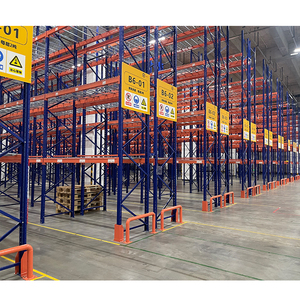
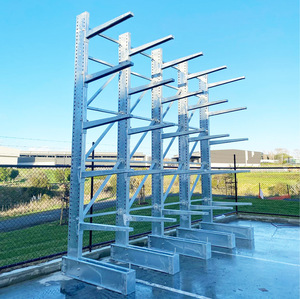
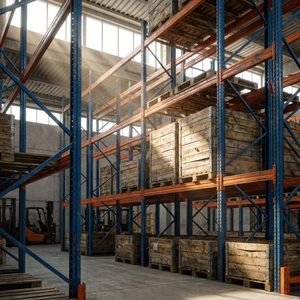
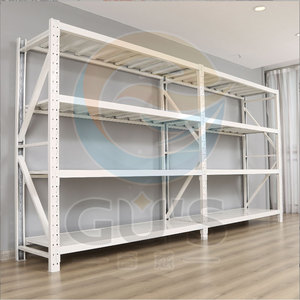
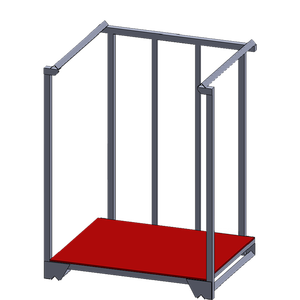
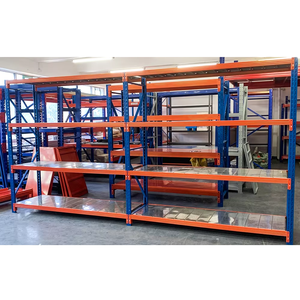
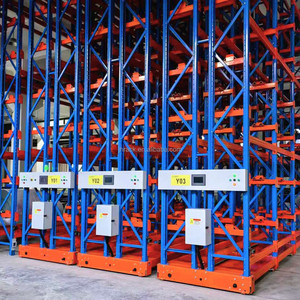
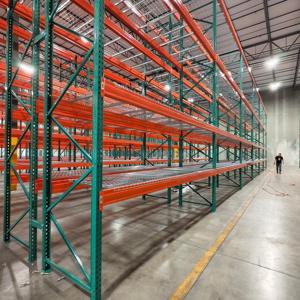
Featured Industrial Racking & Shelving Systems
Explore our primary manufactured product lines, custom-engineered for distribution centers, cold storage facilities, retail hubs, and heavy manufacturing plants.
Structural Integrity & Material Science in Racking Fabrication
When evaluating industrial storage systems, engineering buyers must analyze structural stability beyond simple nominal weight ratings. Real-world capacity depends heavily on high-tensile cold-rolled structural steel grades (such as Q235B, Q355B, and European equivalent S355JR), advanced upright profiling, and precise beam connector engagement.
Cold-Rolled Steel Profiling
Automatic continuous cold roll-forming ensures consistent cross-sectional thickness and structural geometry. Upright columns feature multi-bend Omega profiles to maximize moment of inertia while optimizing steel mass.
Advanced Surface Treatment
Pre-treatment includes full automatic 9-stage phosphating followed by thermosetting electrostatic epoxy-polyester powder coating (80-120 µm thickness) or hot-dip galvanizing per ISO 1461 for cold storage (-30°C).
Rigorous Deflection Limits
Beams are designed to strictly obey the maximum structural deflection limit of L/200 under full nominal static load, ensuring safety clearance for automated reach trucks and fork trucks.
Industrial Storage System Comparison Guide
Compare structural features, warehouse space density, SKU accessibility, and capital expense parameters across major industrial rack architectures.
| Storage Racking Architecture | Storage Density | Direct SKU Access | Stock Rotation | Aisle Width Requirement | Optimal Logistics Use Case |
|---|---|---|---|---|---|
| Selective Pallet Racking | Standard (40-50%) | 100% Direct | FIFO / LIFO | 3.0m - 3.5m (Reach Truck) | High-SKU diversity, general retail distribution centers. |
| Double Deep Racking | Medium (55-65%) | 50% Direct | LIFO Preferred | 3.0m - 3.3m (Double Deep Truck) | Space-constrained facilities storing multiple pallets per SKU. |
| Drive-In / Drive-Thru | High (70-85%) | Low (Lane Access) | LIFO (Drive-In) / FIFO | Eliminates internal aisles | Cold storage, seasonal bulk items, low SKU count. |
| Radio Shuttle Racking | Ultra-High (85%+) | Semi-Automated | Programmable FIFO/LIFO | Minimal working aisles | High-throughput food & beverage, automated cold rooms. |
| Cantilever Rack System | Custom / Specialized | 100% Linear | Direct Access | Variable per long-load truck | Pipes, timber, structural steel profiles, aluminum extrusions. |
| Electric Mobile Racking | Maximum (85-90%) | 100% (On Demand) | FIFO / LIFO | Single dynamic open aisle | High-cost floor space areas, expensive pharmaceutical cold storage. |
Future Trends in OEM Industrial Storage Procurement
Supply chain operations are undergoing structural digital transformation. When partnering with a racking manufacturer, forward-thinking procurement directors are requiring modular adaptability to support next-generation automated intralogistics ecosystems.
1. Integration with AMRs & ASRS Automation
Traditional static storage racks are increasingly being designed as hybrid interfaces for Autonomous Mobile Robots (AMRs) and Automated Storage and Retrieval Systems (ASRS). OEM manufacturers must produce racking components with sub-millimeter tolerances to prevent mechanical jams during robotic crane picking.
2. Green Steel & Decarbonized Supply Chains
Environmental, Social, and Governance (ESG) criteria now directly influence warehouse construction. Leading manufacturers are adopting low-carbon electric arc furnace (EAF) structural steel, eco-certified volatile organic compound (VOC)-free electrostatic powder coatings, and zero-waste manufacturing methodologies.
3. IoT-Enabled Structural Health Monitoring (SHM)
Modern high-bay racking systems are beginning to incorporate embedded strain gauges and shock impact sensors on upright column guards. These IoT sensors communicate real-time structural health status to warehouse management software (WMS), alerting safety managers to accidental forklift impact damage before dynamic collapse occurs.
4. Dynamic Modular Scaling & Reconfigurability
Rapid shifts in e-commerce fulfillment require flexible warehouse floor plans. Buyers prefer boltless adjustable upright profiles with standardized 50mm / 75mm beam pitch intervals, allowing rapid vertical level adjustments without cutting steel or requiring site welding.
Why Global Brands Partner With Our OEM Factory
From free engineering drawing development to end-to-end containerized export shipping, our manufacturing infrastructure delivers turnkey storage solutions backed by rigorous certified quality control.
Direct Factory Infrastructure
Our 30,000 square meter modern manufacturing facility houses automated CNC punching, continuous cold roll-forming lines, and robotic welding stations—eliminating middleman markups for optimal cost performance.
24-Hour Free CAD & 3D Planning
Send us your warehouse floor plan and pallet load details. Our structural engineering team generates complete 2D layout drawings and 3D space optimization models within 24 hours without charge.
Global Compliance Traceability
Every batch of raw structural steel is mill-certified. Our racking systems strictly comply with European DIN EN 15512, US RMI/ANSI MH16.1, and Australian AS4084-2012 regulatory standards.
Frequently Asked Questions (FAQ)
Essential engineering, purchasing, compliance, and delivery queries answered by our structural design specialists.
Our engineering team designs pallet racking and heavy-duty storage structures in strict compliance with European FEM design principles as codified in DIN EN 15512 and DIN EN 15620. For North American export projects, designs conform to ANSI/RMI MH16.1 standards, while Australian installations strictly follow AS4084-2012. Project-specific finite element method (FEM) static stress analysis reports and signed load rating certificates are provided with every custom order.
Standard manufacturing production lead time for standard selective pallet racking and shelf systems is 15 to 20 business days from final CAD sign-off and deposit confirmation. Highly complex OEM/ODM projects involving custom roll-formed profiles, integrated automated shuttle channels, or heavy mezzanine structures are typically produced within 25 to 30 days. Expedited production schedules can be coordinated upon request for urgent warehouse commissioning timelines.
For sub-zero cold rooms (-30°C) or highly humid coastal environments, we offer continuous pre-galvanized sheet steel fabrication or post-fabrication Hot-Dip Galvanizing (HDG) per ISO 1461. Hot-dip galvanizing produces a zinc coating thickness exceeding 55–85 µm, creating an alloy bond that guarantees decades of zero rust formation, preventing dynamic steel degradation under demanding conditions.
Yes. As a primary OEM manufacturer, we possess extensive tooling for standard global hole pitch patterns, including 50mm pitch, 75mm pitch, 76.2mm (3-inch) teardrop pitch, and custom hook-in connector geometries. We can manufacture compatible replacement frames, extension uprights, and additional beam levels that interlock seamlessly with your existing installed warehouse infrastructure.
Yes. International workplace safety guidelines (such as DGUV Regel 108-007 / DIN EN 15635 in Europe and OSHA guidelines in the US) mandate that warehouse operators perform formal safety inspections by a qualified structural inspector at least once every 12 months. We provide standardized steel load warning signs, maintenance operation manuals, and replacement safety pins with all shipments to assist facility managers in maintaining compliance.
To prepare a precise 2D CAD layout and formal quotation, please provide: (1) Warehouse building dimensions including clear ceiling height and obstacle locations; (2) Pallet specifications (Length x Width x Height including cargo overhang); (3) Maximum weight per loaded pallet; (4) Operating forklift truck specifications (turning radius and maximum lift reach); and (5) Ambient temperature range of the facility.
Upright columns and box beams are tightly bundled using heavy-duty steel strapping, protective corner edge protectors, and waterproof plastic film wrapping. Small hardware accessories, baseplates, beam safety pins, and row spacers are packaged in reinforced corrugated wooden crates or heavy steel pallets to prevent container shift and moisture exposure during transit.
Ready to Optimize Your Warehouse Storage Capacity?
Connect directly with our senior intralogistics engineers for free CAD design drawings, structural static load calculations, and competitive factory-direct pricing for your next warehouse project.
Contact Us